The First Steps of Engineering
When people hear the word engineering, they usually picture middle schoolers building robots or teens deep into coding projects. It’s easy to imagine big science labs or intense STEM competitions. But honestly, engineering starts much earlier than that. It actually begins in the small everyday moments of play.
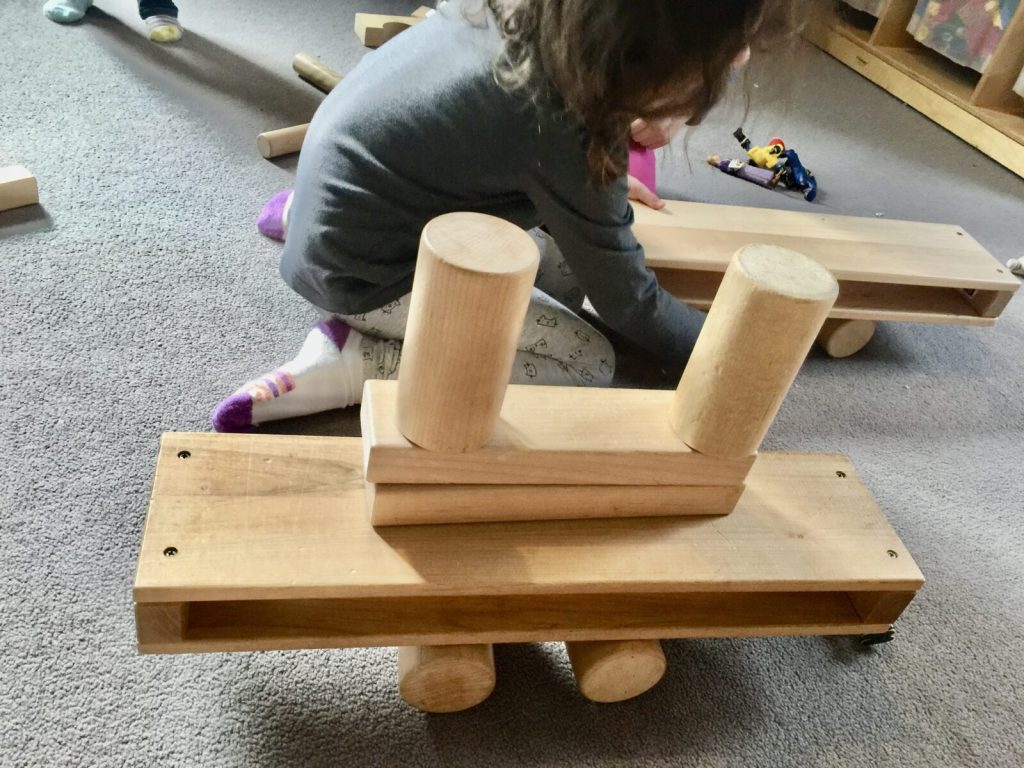
When we see Marion sitting on the floor with a pile of blocks, at first, she’s just stacking them because it’s fun. Then she tries to make the tower balance. It wobbles, then it falls. She laughs, thinks for a second, and tries again. Right there, in that simple moment, she’s thinking like an engineer without even realizing it.
I watch as Liza plays at the water table; she drops in a leaf and notices it floats. Then she drops in a rock and watches it sink. She even tries it again, putting the rock on the leaf to see what happens. These are moments filled with curiosity, testing, imagination, and problem-solving. They are the moments of play that we recognize as early engineering.
When your preschoolers stack blocks, investigate floating and sinking, or work on a puzzle, they’re doing the same kind of thinking real engineers do. Engineering starts with simple questions: What happens if…? Why did that happen? What if I try it this way instead?
This is why we’re so excited about the new activities we’ve just added on our sister site, Ready Child. Ready Child celebrates the simple power of play. It gives parents and early educators easy ideas that help children learn important early skills. The site emphasizes nurturing development through play, not pushing formalized academics.
These activities look incredibly playful on the outside, but inside each one is a chance for a child to grow strong thinking habits—habits that will help them later when they take on real STEM challenges.

Ready Child is all about the magic of simple play. It gives families and teachers easy, meaningful ideas they can use right away. Through play, children learn patience, independence, social skills, and communication. They also grow stronger bodies—bodies that can sit, balance, use tools, and focus. These are the skills every child needs before they can join more structured learning.
Engineering Explorers looks at the play children are already doing and pulls out the engineering inside it, gently extending the learning in fun, hands-on ways. Together, they create a smooth learning path—from curiosity and play to confidence and problem-solving.
Ready Child now has forty new activities, each one opening a small door to early learning. Children discover fine motor skills, early math thinking, communication, and problem-solving. But if you look closely, you’ll see something even more special happening. These activities also introduce the tiny building blocks of engineering: noticing patterns, understanding cause and effect, exploring balance and stability, and learning to try again when something doesn't work the first time.
Here are just a few examples of the playful activities your young engineers might love:
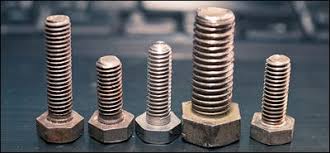
- Tinkering with Nuts and Bolts Imagine a child with a tray of nuts, bolts, and screws. They twist a bolt into a nut and see how it moves. They turn it the other way and watch it loosen. Different sizes spark new questions. They try, adjust, and try again. They’re building strong hands, sharp eyes, and the kind of resilience that says, “I can figure this out.” Engineers do the same thing—test, adjust, test again.
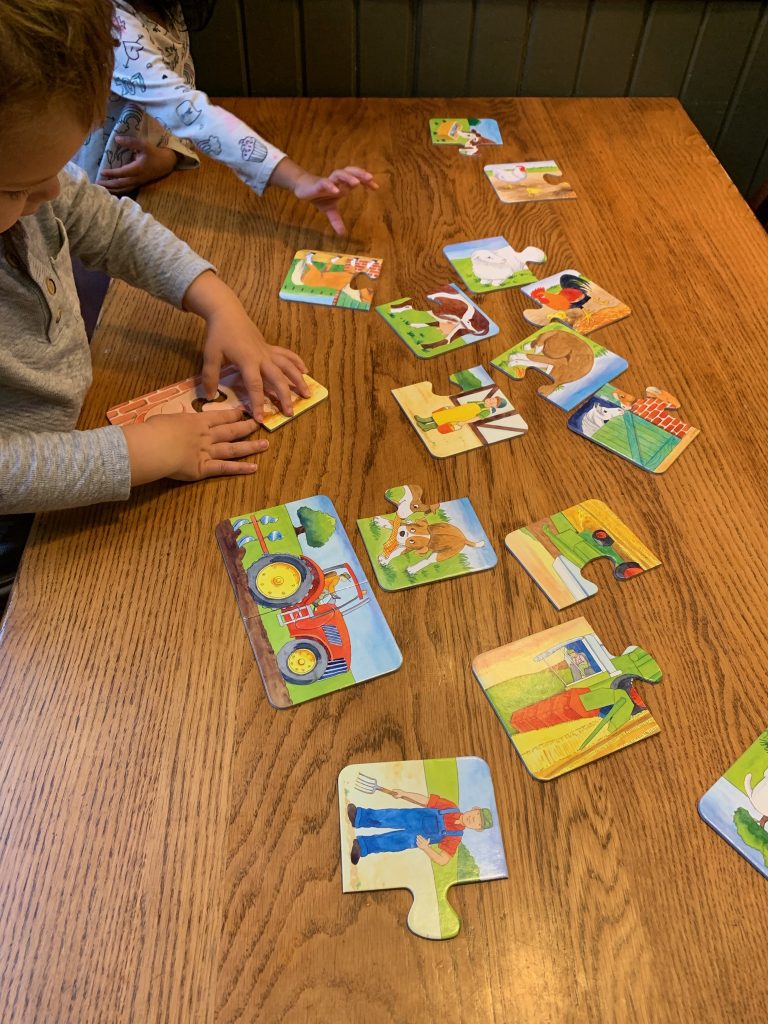
- Solving a Puzzle A child sits with a colorful puzzle, their brain, eyes, and hands working together. They pick up a piece, use their small hand muscles to pinch and turn it, and then try to fit it into the larger picture. They’re building dexterity and fine-motor skills, which are essential for later writing and drawing.
As they flip, rotate, and determine where pieces belong, they are sharpening their spatial awareness and problem-solving skills. This simple play teaches them to persevere until the pieces fit, fostering focused concentration and a love of early math thinking.
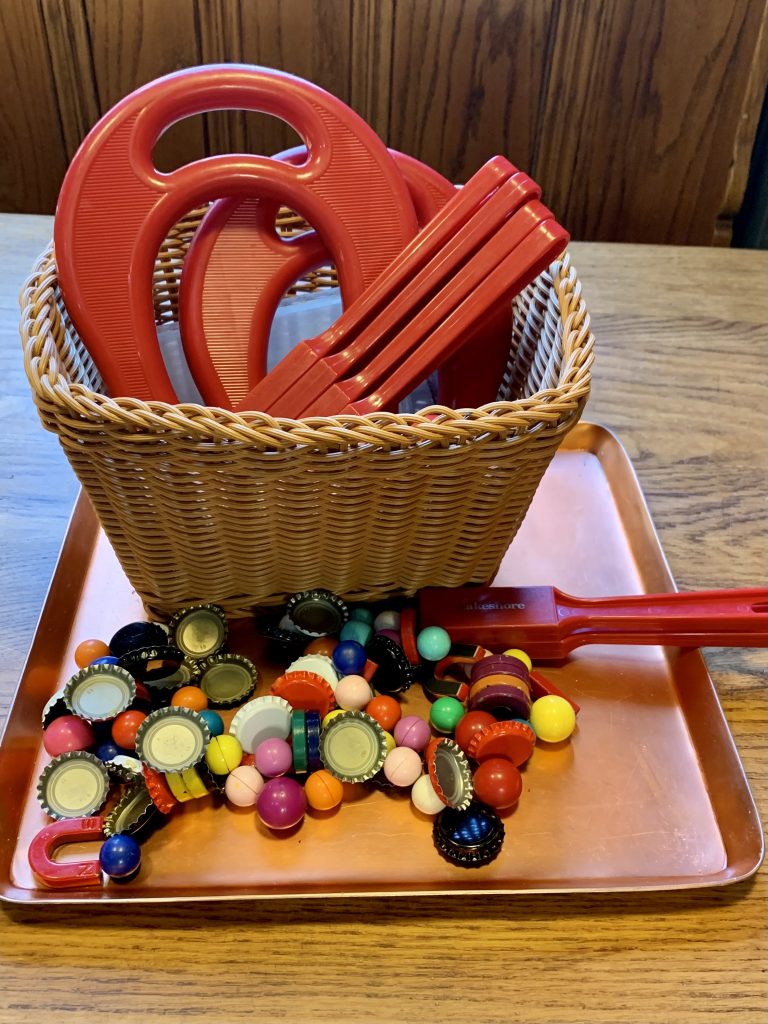
- Be a Magnet Detective Hand a child a simple magnetic wand and a tray piled with treasures: screws, corks, bottle caps, and rocks. Watch as their small hands transform into those of a young engineer. They glide the magnet over the collection, testing a hypothesis and using trial-and-error to figure out which materials are affected by the invisible force of the magnet.
This is the essence of early engineering—exploring how forces work, observing results, and drawing conclusions. This playful investigation of force and attraction sharpens their focus, reinforces problem-solving, and creates a moment of deep, quiet discovery that builds the foundation for understanding machines and physics later on.
Children don't wake up one day and suddenly become engineers. They grow into engineering thinkers through hundreds of small moments. They watch. They wonder. They try. They play. They think. Then, they try again. Every experience helps them build confidence, creativity, and problem-solving skills.
By connecting Ready Child with Engineering Explorers, we get to tell a full story—a story that starts with joyful play and leads children toward more challenging STEM adventures. The new Ready Child activities give children the playful first chapter they need. When we support their curiosity early, we’re not just preparing them for STEM, we’re helping them explore their world with courage, imagination, and joy.