Floating Ideas: When Milkweed Seeds Take Flight
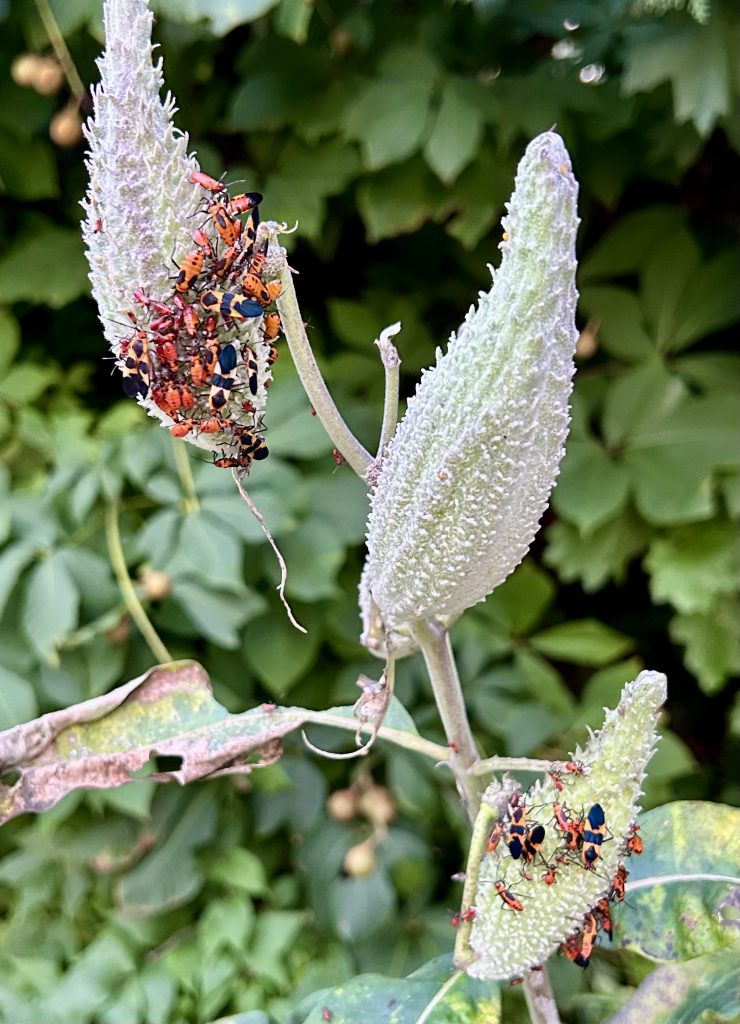
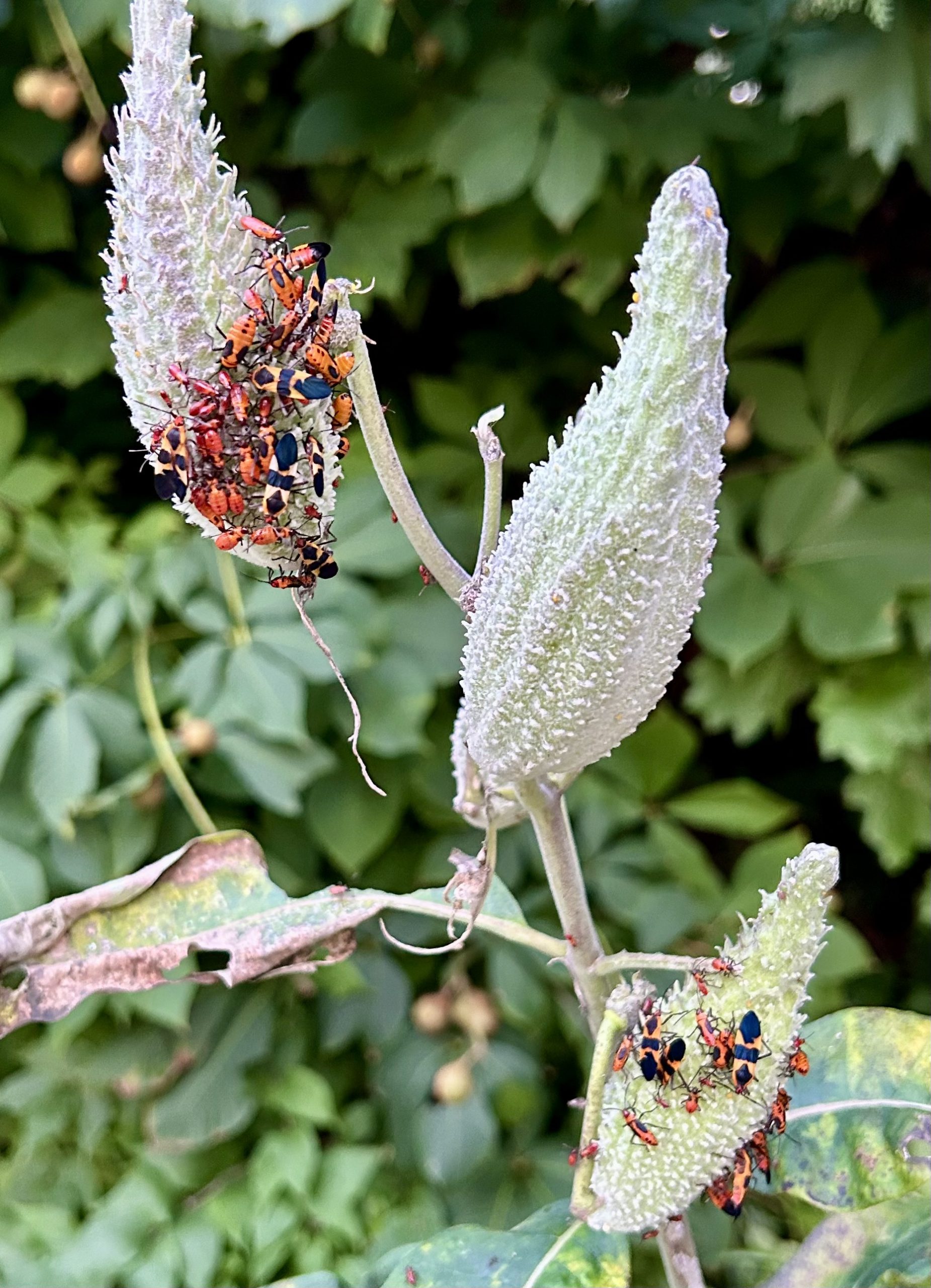
“Look at all the milkweed bugs on these pods! Oh wow! Some of them are opening up! They’re flying everywhere,” shouts four-year-old Mateo. “Let’s catch them! Then you can make a wish and let it go again!”
Whether you call them wishes, fairies, parachutes, or fluff, milkweed pods are bursting open, letting their silky seeds drift through our outdoor classroom on this warm September morning. The children laugh and chase the floating fluff, cupping it gently in their hands before letting it go again. This floating journey becomes a science lesson in disguise, making “milkweed season” the perfect time for a STEM and early engineering investigation with our young learners.
“Is this a little seed that is connected to the white fluff?” Trey asks wide-eyed, as he takes a closer look at the “wish” in his hand.
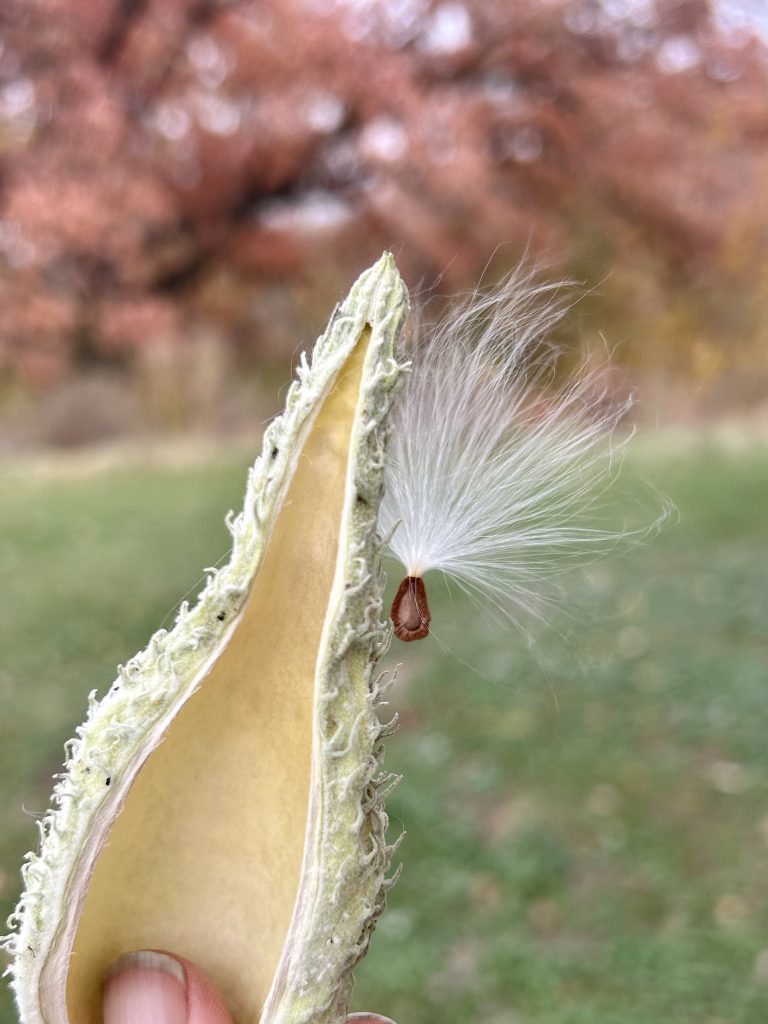
“Each milkweed seed is attached to a tuft of silky hairs they call a coma, which spreads out like a tiny parachute. When the wind catches it, the seed drifts and glides—sometimes for miles,” I explain as he lets the seed dance on his open hand. “Scientists call that kind of travel wind dispersal.”
We pause to watch the movement. The children begin to notice how some seeds soar higher than others, how a quick toss or strong breeze changes their flight path. Without realizing it, they’re beginning to test variables—learning through observation, trial, and discovery.
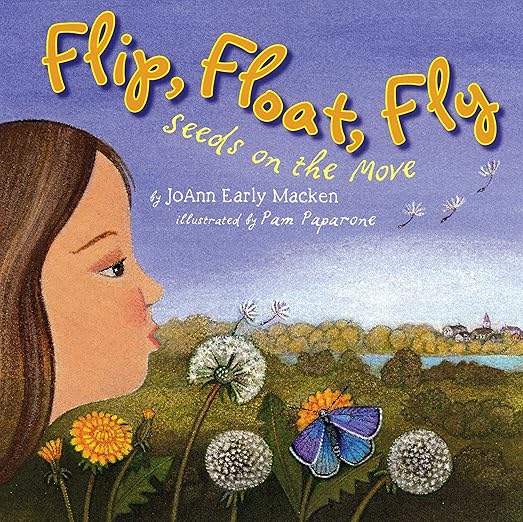
“Those little seeds really do look like they’re wearing parachutes—like when we run under the big one at music!” shares four-year-old Leah, comparing the milkweed fluff to our classroom parachute play. "Oh wait, this is like that book we read! That floating book!" Sure enough we have read a book about wind dispersal. One of our favorites is Flip, Float, Fly by Joanne Early Macken.
Five-year-old Riley pauses as the seeds swirl around her. Tilting her head, she wonders aloud, “Is the wind helping the seeds find a new place—like the helicopters that fall from the tree? Do they know where to drop so they get enough sunshine to grow?”
“Yes,” I tell her. “If the seeds dropped straight down, they’d all be crowded under the adult plant, fighting for the same sunlight and water. Instead, the wind gives them a chance to find their own space to grow.”
Learning about milkweed seeds invites children to make observations, wonder, and ask questions. Why are they so light? How far can they go? Why does the plant make so many? These questions are the foundation of scientific and engineering thinking—curiosity that leads to experimentation and problem-solving.
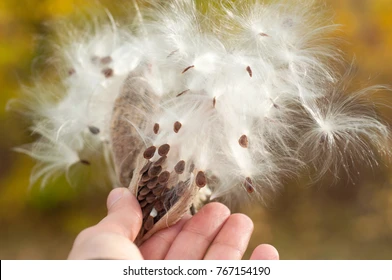
As the children gather handfuls of fluff and let them scatter, their understanding of wind dispersal begins to grow. “If the wind plants more seeds… then we’ll have more milkweed!” Maria explains.
“And more milkweed means more monarch butterflies!” shout the group of young scientists.
All the pieces of the puzzle begin to connect. These seeds aren’t just parachutes on the wind. They’re the beginning of new milkweed plants, and new milkweed plants mean more monarchs. The outdoors has become a living laboratory where children explore cause and effect, experiment with motion, and see how nature engineers its own brilliant designs.
Will the children remember every detail? Probably not. But just like the milkweed, I scatter my own “seeds of knowledge”—trusting that some will drift, some will disappear, and some will land in just the right place to grow.
Soon the science talk gives way to laughter and play. The children scoop up handfuls of silky fluff and toss them into the air, giggling as the wind carries them away. Some chase the seeds, others stand quietly in awe. This play is science too. They are experimenting with force, motion, and air resistance—without even realizing it.
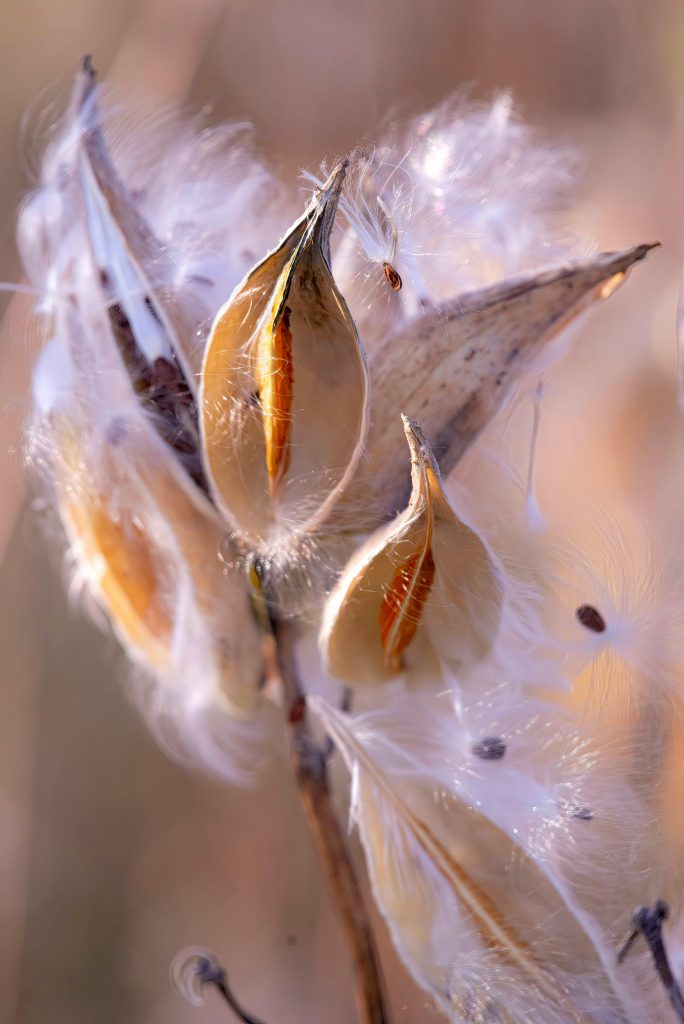
Nature provides the best design challenges. With each toss and each observation, our young learners act as early engineers—testing ideas, adjusting their methods, and learning from what they see.
Milkweed seeds are more than floating fluff. They are nature’s engineers—masters of flight and dispersal—and the spark of curiosity and design thinking in the smallest of hands. With milkweed season upon us, don’t miss this once-a-year opportunity to follow the flying “wishes” and see where they might land—in the fields, in the garden, or in the curious minds of young scientists and engineers.
Read more about the books we used to expand our milkweed investigation over on our science blog. (Link to the October 2025 ESM...)