Fast Fail, Big Learning
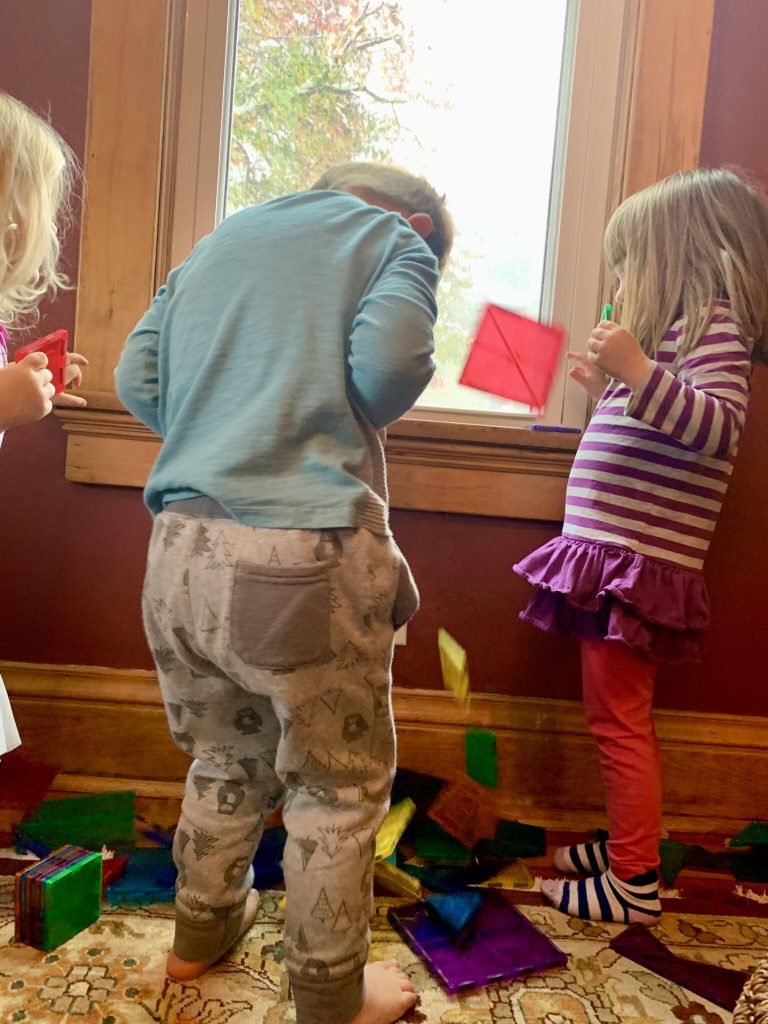
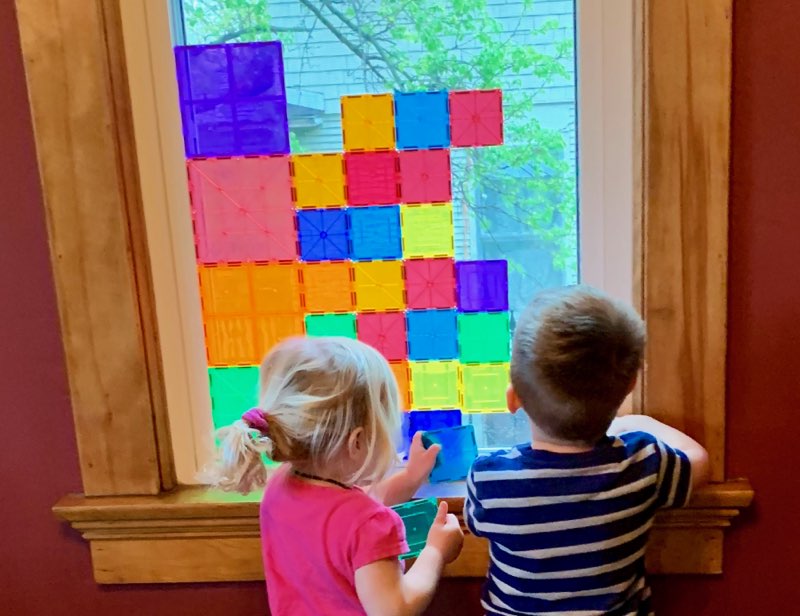
Crash! The Magna-Tiles the children had carefully arranged along the window sill slid down in a colorful clatter.
“Fast fail!” Mallory shouts.
“I think that was a fast fall,” Noah adds, grinning.
The children laugh and scoop up the tiles again, but not before inspecting what went wrong. “Maybe the big squares should go on the corners,” Mallory suggests thoughtfully. “That will make it stronger.” Porter adds, “And we need to go slow. If we rush, we bump the tiles and everything falls.”
Right there—on a narrow window sill with a pile of magnetic tiles, the children are doing exactly what engineers do. They’re testing ideas, seeing what holds, seeing what doesn’t, and redesigning based on what they learn. A wider base, heavier tiles on the bottom, better angles, every attempt brings a new round of problem-solving. This is early engineering in action.
We often hear the term “fast fail,” and in early childhood, it has a slightly different meaning than in business. For children, it means giving them room to try something, watch it topple, and immediately try again, without fear, shame, or an adult rushing in to rescue. Failure becomes part of the design cycle, not the end of it. That cycle, try, fail, talk about it, try again, adjust, fail, try something new—builds persistence, flexible problem-solving, and confidence.
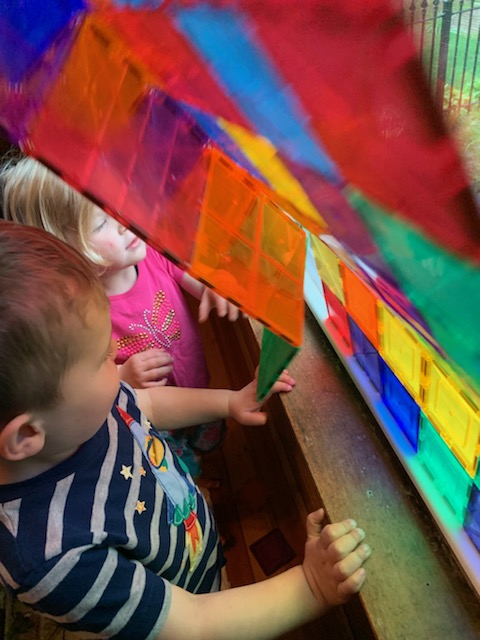
Anytime children build towers, ramps, marble runs, nests, forts, or even tiny houses for animals—they’re experimenting like engineers. Structures wobble, bridges bow, ramps dip too low, and each time, children pause, assess, and dive back in. That moment between collapse and retry is where the real learning happens. They begin to understand that strength comes from the base. That balance matters. That shape affects stability, small adjustments can change everything, and moving too fast can sabotage a design.
When a tower collapses, children often feel a twinge of disappointment—but that’s where the learning happens. Instead of seeing failure as “bad,” we can celebrate it: “This is why you’re such a great builder! You keep trying and learning.” Framing it this way makes it easier to redirect frustration, encourage persistence, and help children see each attempt as progress.
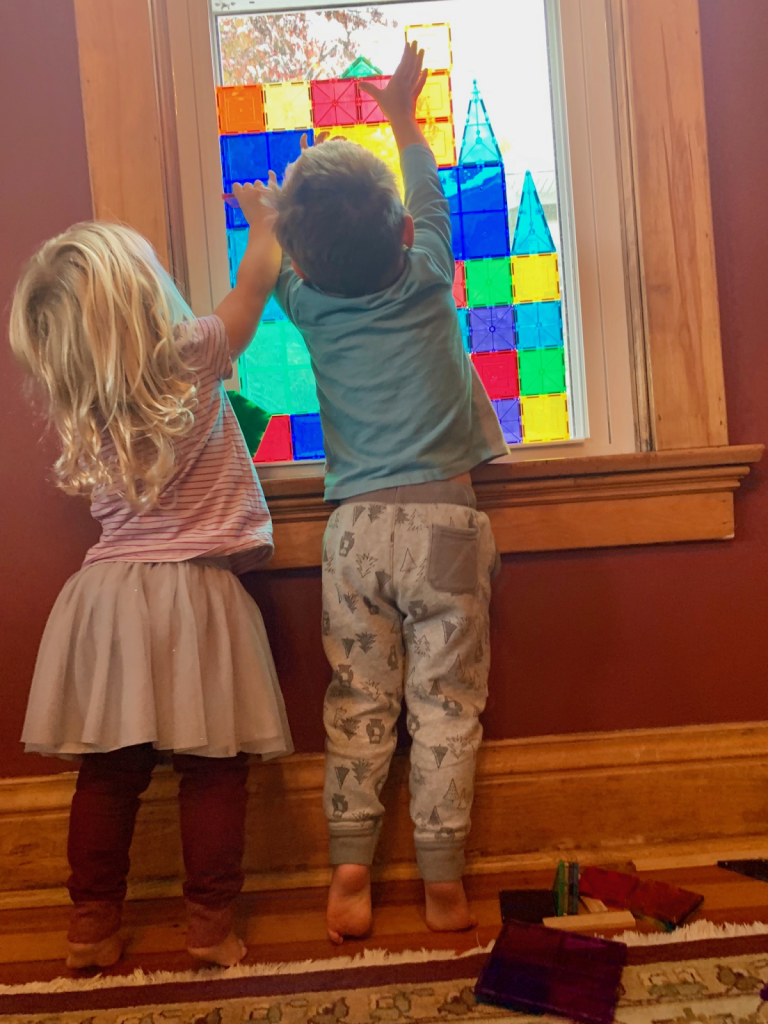
They begin to understand that falling down isn’t the end—it’s part of figuring things out, testing ideas, and discovering what works.. Each collapse becomes an invitation to investigate: “Which side fell first? What was the weak spot? What if we change the type of block? Would triangles hold better? Should we go slower?” These questions are the backbone of design thinking, and each attempt strengthens their ability to persist, adapt, and solve problems creatively.
The beauty of this approach is that it nurtures freedom and creativity. Children see themselves as builders who can shape and reshape a structure as many times as they like. They learn that ideas grow through experimentation, not perfection. When we introduce fast failing in play, we build resilience, encourage curiosity, promote risk-taking, and help children see themselves as capable problem-solvers.
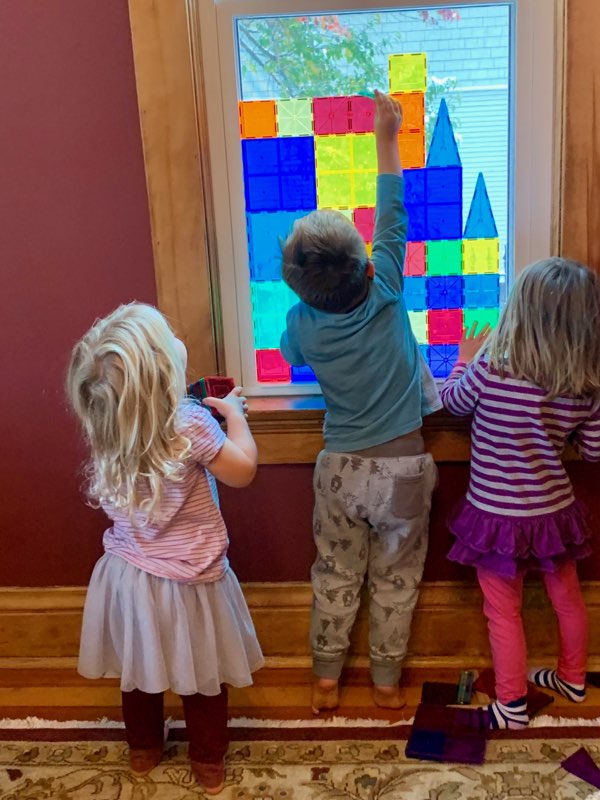
Even small collapses become design experiments. A slight shift in the base, a new arrangement of tiles, or swapping shapes is another round of testing and adjusting. Children don’t just memorize rules, they experience the physics of balance, gravity, and stability firsthand. Each tower teaches them lessons about what works, what doesn’t, and how to rethink a plan.So the next time you hear the crash of a toppled tower or watch a structure slide off a window sill, pause before stepping in. That moment—right between the fall and the giggle—is where early engineering begins. Celebrate it. Because those tiny failures? They’re the building blocks of design thinking, resilience, and the confident engineers our children are already becoming.